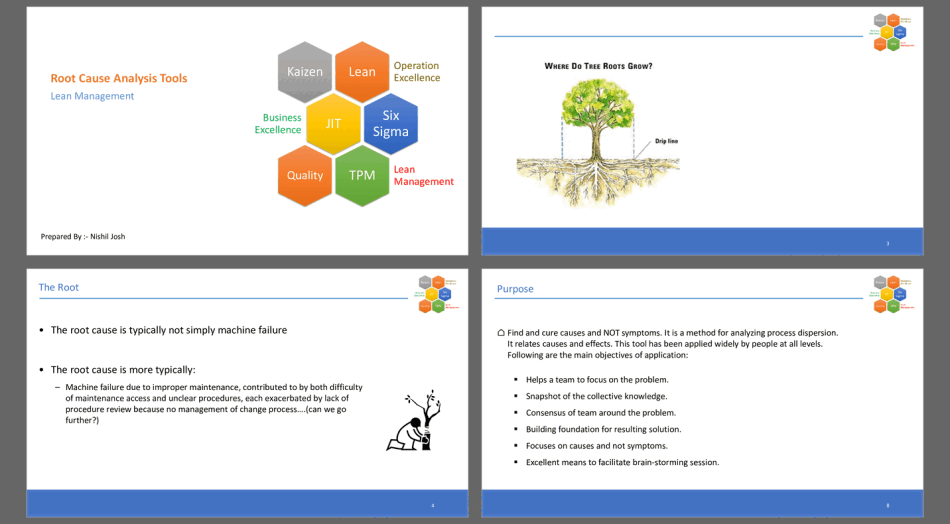

Root Cause Analysis (RCA) is a means to get to the bottom of a problem or unexpected event. RCA is a powerful tool when your project or product is not what was expected.
There are numerous problem solving techniques that fall under RCA. This presentation discusses the following:
• Fishbone Diagram
• 5 Why Analysis
• Brainstorming
• Basic Problem Solving
• Process Mapping
• Pareto Analysis
RCA aims at improving the quality of products or processes. This type of problem solving analysis must be undertaken in a systematic way to be effective. The general process for RCA is:
1. Describe the problem your company is looking at.
2. Gather data associated with the problem.
3. Identify potential causes for the problem.
4. Identify which causes you will remove or change in order to prevent repeat problems.
5. Identify solutions that will be effective in preventing repeat problems.
6. Implement changes.
7. Observe changes to ensure that they have effectively eliminated the problem.
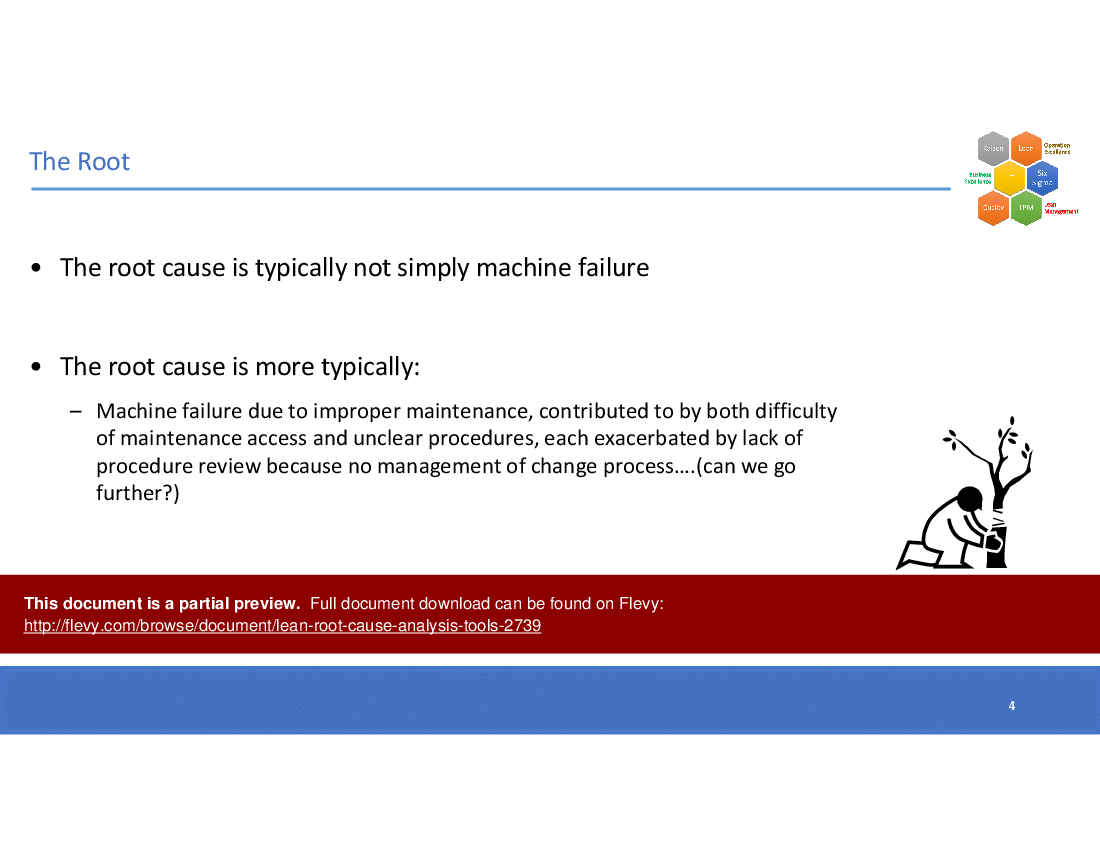
This PPT delves into the intricacies of identifying and addressing the root causes of operational inefficiencies. It emphasizes that machine failure is often a symptom rather than the root cause, which typically involves factors like improper maintenance, unclear procedures, and lack of change management. The presentation highlights the importance of a systematic approach to uncover these deeper issues.
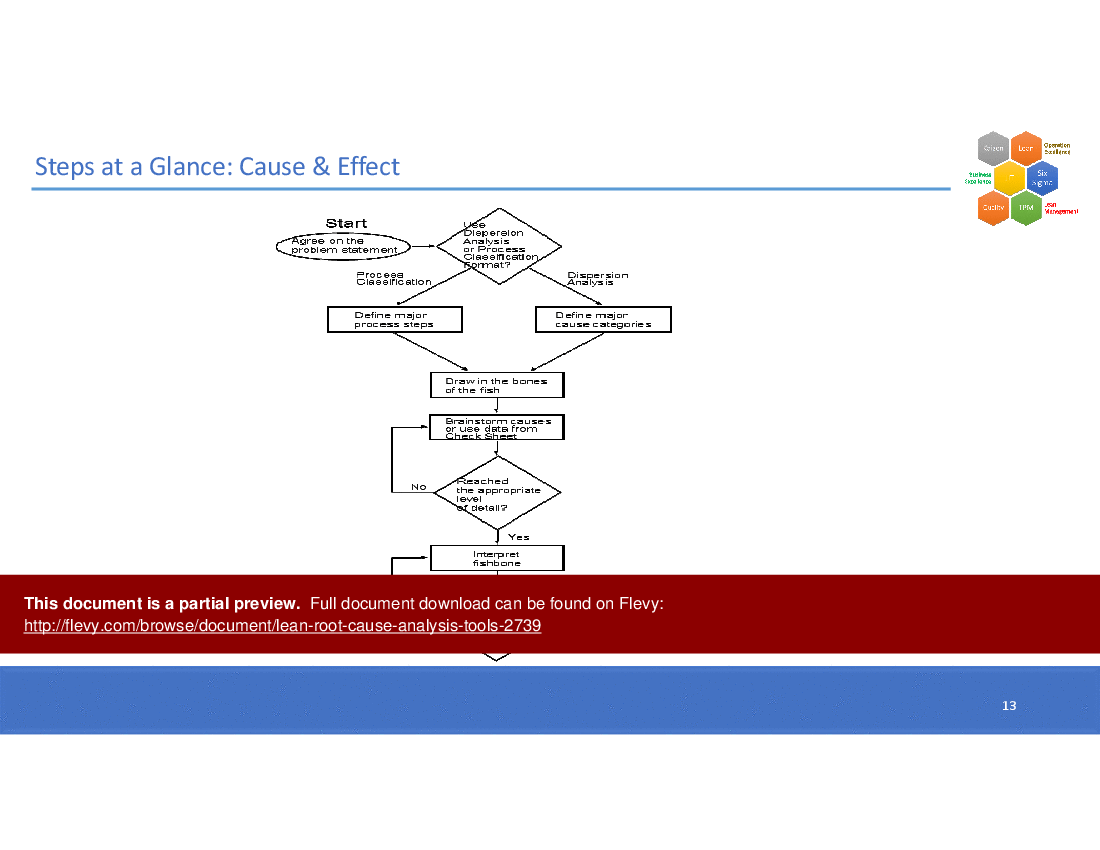
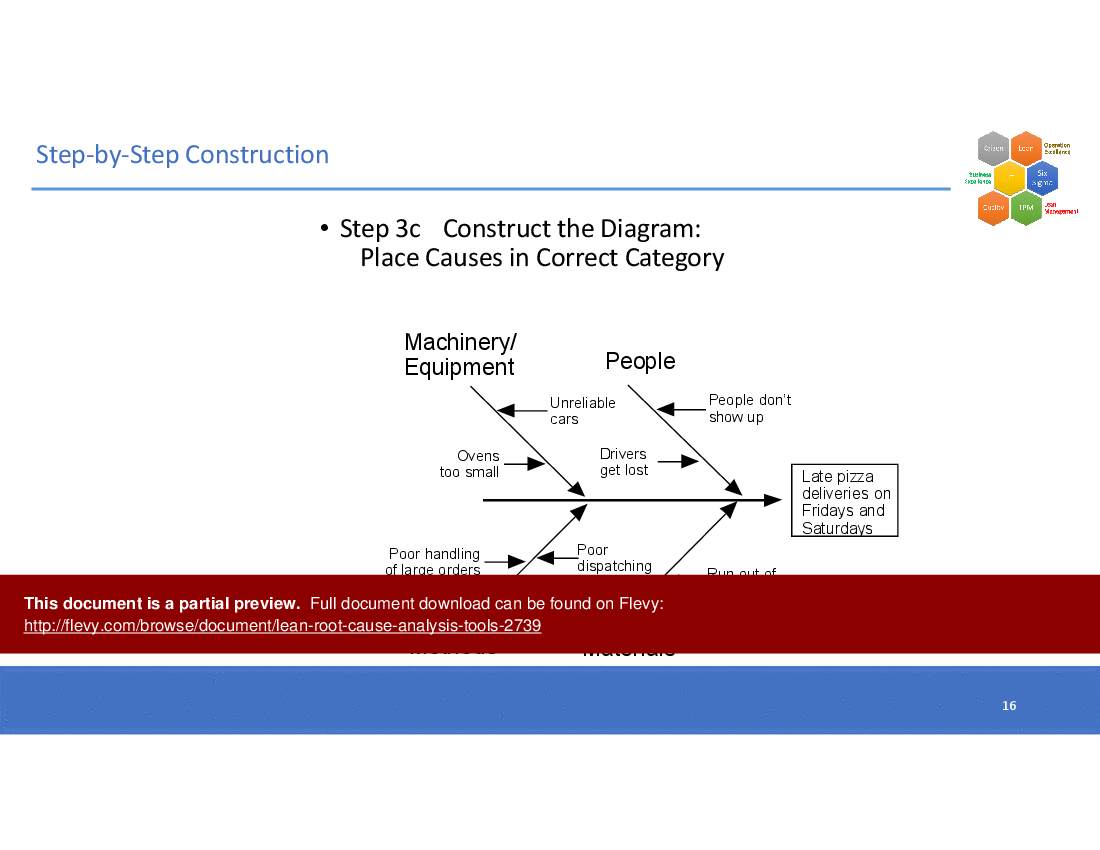
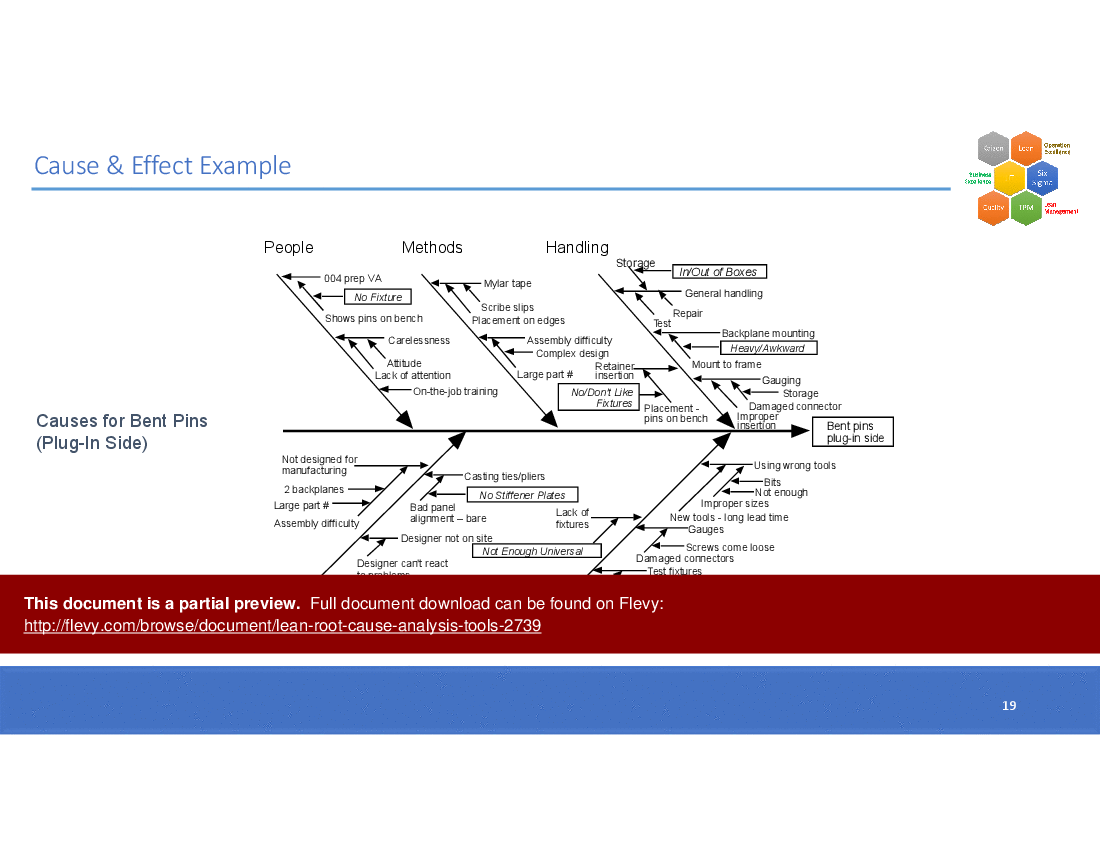
The document also provides a historical context for the tools used in RCA, such as the Cause and Effect (C&E) diagram, introduced by Dr. Kaoru Ishikawa in 1943. This tool helps teams focus on the content of the problem, not just the symptoms, and builds consensus around the solutions. The step-by-step guidance on constructing these diagrams ensures that teams can effectively map out and address the root causes of their problems.
Got a question about the product? Email us at support@flevy.com or ask the author directly by using the "Ask the Author a Question" form. If you cannot view the preview above this document description, go here to view the large preview instead.
Executive Summary
The Lean Root Cause Analysis (RCA) Problem Solving PPT is a comprehensive toolkit designed to enhance problem-solving capabilities within organizations. This presentation provides structured methodologies for identifying and addressing the root causes of issues, utilizing tools such as the Fishbone Diagram, 5 Whys, and Pareto Analysis. By applying these techniques, teams can effectively analyze problems, foster continuous improvement, and drive operational excellence.
Who This Is For and When to Use
• Quality Assurance Managers focused on process improvement
• Operations Managers seeking to enhance efficiency
• Team Leaders responsible for problem-solving initiatives
• Continuous Improvement Professionals implementing Lean methodologies
Best-fit moments to use this deck:
• During root cause investigations following incidents
• When teams face recurring problems that require in-depth analysis
• In workshops aimed at fostering a culture of continuous improvement
Learning Objectives
• Define root cause analysis and its significance in problem-solving
• Build and utilize a Fishbone Diagram to categorize potential causes
• Apply the 5 Whys technique to uncover underlying issues
• Conduct Pareto Analysis to prioritize problems based on impact
• Facilitate brainstorming sessions to generate innovative solutions
• Develop actionable plans based on root cause findings
Table of Contents
• Introduction to Root Cause Analysis (page 2)
• Overview of RCA Tools (page 5)
• Fishbone Diagram Construction (page 6)
• 5 Whys Analysis (page 22)
• Brainstorming Techniques (page 38)
• Process Mapping Overview (page 66)
• Pareto Analysis Methodology (page 99)
Primary Topics Covered
• Root Cause Analysis (RCA) - A structured approach for identifying the underlying causes of problems to prevent recurrence.
• Fishbone Diagram - A visual tool that categorizes potential causes of a problem, facilitating organized brainstorming.
• 5 Whys Technique - A method that involves asking "why" multiple times to drill down to the root cause of an issue.
• Brainstorming - A collaborative technique for generating a wide range of ideas without judgment to solve problems creatively.
• Process Mapping - A visual representation of a process that helps identify inefficiencies and areas for improvement.
• Pareto Analysis - A statistical technique that identifies the most significant factors in a dataset, often summarized as the 80/20 rule.
Deliverables, Templates, and Tools
• Fishbone Diagram template for categorizing causes
• 5 Whys Analysis worksheet for documenting findings
• Brainstorming session guidelines to maximize idea generation
• Process Mapping template for visualizing workflows
• Pareto Chart template for prioritizing issues based on frequency and impact
Slide Highlights
• Overview of RCA tools and their applications in problem-solving
• Step-by-step construction of the Fishbone Diagram
• Real-world examples of 5 Whys analysis in action
• Guidelines for effective brainstorming sessions
• Visual representation of process mapping techniques
• Example of a Pareto Chart illustrating the 80/20 rule
Potential Workshop Agenda
Introduction to RCA (30 minutes)
• Overview of root cause analysis concepts
• Discussion of RCA tools and their importance
Fishbone Diagram Workshop (60 minutes)
• Hands-on construction of a Fishbone Diagram
• Group activity to identify potential causes of a selected problem
5 Whys Analysis Session (45 minutes)
• Guided practice on applying the 5 Whys technique
• Team exercise to uncover root causes
Brainstorming Techniques (30 minutes)
• Facilitation of a brainstorming session to generate solutions
• Review of best practices for effective brainstorming
Customization Guidance
• Tailor the Fishbone Diagram categories to specific organizational contexts
• Adjust the 5 Whys questions based on the complexity of the problem
• Incorporate industry-specific examples in brainstorming sessions
• Modify process mapping templates to reflect unique workflows
• Adapt Pareto Analysis criteria to align with organizational priorities
Secondary Topics Covered
• Continuous Improvement methodologies
• Lean Management principles
• Quality Management frameworks
• Team dynamics in problem-solving
FAQ
What is Root Cause Analysis (RCA)?
RCA is a systematic process for identifying the fundamental causes of problems to prevent their recurrence, rather than merely addressing symptoms.
When should I use the Fishbone Diagram?
Use the Fishbone Diagram when you need to categorize potential causes of a problem, especially in team brainstorming sessions.
How does the 5 Whys technique work?
The 5 Whys technique involves asking "why" repeatedly—typically 5 times—to drill down to the root cause of an issue.
What is the purpose of brainstorming in RCA?
Brainstorming encourages team members to generate a wide range of ideas and solutions without judgment, fostering creativity and collaboration.
How can I prioritize issues using Pareto Analysis?
Pareto Analysis helps identify the most significant factors contributing to a problem, allowing teams to focus their efforts on the "vital few" causes.
What is the significance of process mapping?
Process mapping visually represents workflows, helping teams identify inefficiencies and areas for improvement in their operations.
Can I customize the templates provided in this deck?
Yes, the templates can be tailored to fit your organization's specific needs and processes.
How do I ensure effective participation in brainstorming sessions?
Establish ground rules for no criticism, encourage free thinking, and ensure all ideas are recorded to foster an inclusive environment.
Glossary
• Root Cause Analysis (RCA) - A method for identifying the underlying causes of problems.
• Fishbone Diagram - A visual tool for categorizing potential causes of an issue.
• 5 Whys - A technique for uncovering root causes by repeatedly asking "why."
• Brainstorming - A collaborative idea-generation process.
• Process Mapping - A visual representation of a workflow.
• Pareto Analysis - A technique for prioritizing issues based on their significance.
• Continuous Improvement - Ongoing efforts to enhance products, services, or processes.
• Lean Management - A methodology focused on minimizing waste while maximizing productivity.
• Quality Management - A framework for ensuring that an organization's products and services meet customer requirements.
• Team Dynamics - The interactions and behaviors among team members that influence their performance.
• Critical To Quality (CTQ) - Attributes that are essential for meeting customer requirements.
• Key Performance Indicators (KPIs) - Metrics used to evaluate the success of an organization or a particular activity.
Source: Best Practices in RCA PowerPoint Slides: Lean Root Cause Analysis (RCA) Problem Solving PowerPoint (PPTX) Presentation Slide Deck, Nishil Josh
This document is available as part of the following discounted bundle(s):
Save %!
Lean Six Sigma Problem Solving Tools
This bundle contains 8 total documents. See all the documents to the right.
Save %!
Quality Management Tools
This bundle contains 6 total documents. See all the documents to the right.
|
Receive our FREE presentation on Operational Excellence
This 50-slide presentation provides a high-level introduction to the 4 Building Blocks of Operational Excellence. Achieving OpEx requires the implementation of a Business Execution System that integrates these 4 building blocks. |










